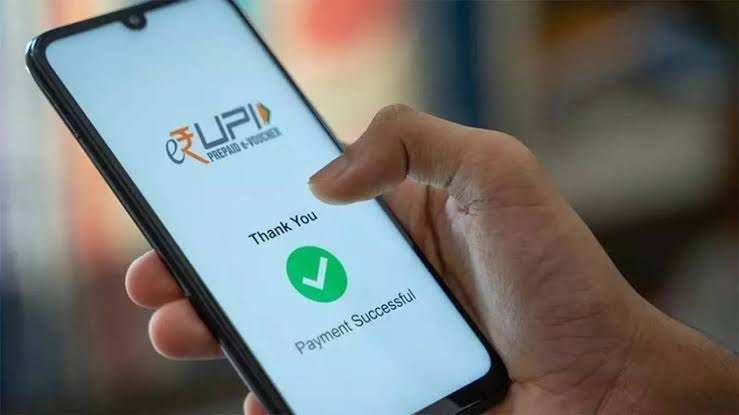
Centre Urges Schools to Adopt UPI for Faster, Transparent Fee Payments — What It Means for Parents and Schools
New Delhi — October 11, 2025
The Department of School Education and Literacy (Ministry of Education) has asked state and central education bodies to move school fee and admission payments onto digital rails — with a strong push for Unified Payments Interface (UPI). The aim: make school transactions simpler, safer and more transparent under the government’s broader Ease of Schooling agenda.
Why the shift matters
Imagine scanning a UPI QR code at your child’s school or paying fees from your phone in seconds — no long queues, no paper receipts to lose, and an instant digital trail for every payment. That’s the user-facing benefit parents will notice immediately. For schools, the change promises:
- Cleaner records — automatic, timestamped receipts and easier reconciliation.
- Less cash handling — reduced risk of loss and fraud, and lower administrative burden.
- Faster audits and compliance — digital trails simplify audits and reporting to authorities.
- Financial inclusion & literacy — students and families gain hands-on exposure to digital payments.
The Ministry’s communication specifically targeted state education departments, Boards (like CBSE), NCERT, KVS and NVS — signalling an intent for fast, broad adoption across government-run and affiliated schools.
How UPI fits India’s digital goals
UPI’s rapid rise in India makes it a logical choice. It’s widely used, low-cost, and supported across smartphones and feature phones via QR codes and other easy interfaces. The Department framed the recommendation as part of a larger commitment to the country’s digital transformation — making school administration citizen-friendly and aligned with the Ease of Living and Viksit Bharat 2047 visions.
Putting routine school transactions online is more than convenience: it’s a step toward normalising digital financial behaviour among families and preparing students for a tech-driven future.
Benefits for different stakeholders
Parents & Students
- Quick payments from home; no more missed deadlines due to long queues.
- Immediate digital receipts reduce disputes about payments.
- Safer than carrying cash; easier record-keeping for families.
School Administrators
- Easy reconciliation: payments flow directly to school accounts with transaction IDs.
- Reduced administrative overhead (fewer manual entries, fewer misplaced receipts).
- Simplified audit trail for compliance and grants reporting.
Education Departments & Policymakers
- Better visibility into fee collection patterns across districts and schools.
- Data to support policy decisions and target financial-aid programs.
- Lower corruption and leakages due to transparent records.
Practical considerations and next steps
To make UPI adoption effective, schools and education authorities will need to address several practical issues:
- Onboarding and training — Administrators, clerks and parents will need simple guides and short training sessions on using UPI and handling digital receipts.
- Multiple payment options — While UPI is advocated, schools should offer alternative digital methods (net banking, cards) for households that prefer those routes.
- Reconciliation systems — Schools should adopt basic accounting software or spreadsheet templates to reconcile UPI payments with bank statements.
- Offline accessibility — For regions with poor internet, schools can deploy offline-capable QR solutions or scheduled collection kiosks.
- Security & privacy — Clear data-handling policies and secure storage of student/parent information must be ensured.
The Ministry letter is a push, not an immediate nationwide mandate; implementation will likely differ across states based on local infrastructure, school type (government vs private vs aided), and digital readiness.
Potential challenges
- Digital divide: Not all parents have smartphones or UPI-enabled bank accounts. Schools must adopt hybrid approaches so vulnerable families aren’t excluded.
- Resistance to change: Some administrators and parents may prefer traditional cash processes; change-management will be crucial.
- Technical glitches: Transaction failures, reconciliation errors, and QR-code misconfigurations can create short-term friction. Pilot programs and phased rollouts will help.
What parents should do now
- Check whether your bank account or payment app supports UPI and is linked to a working mobile number.
- Ask your child’s school whether they plan to roll out UPI payments and if so, what timelines and options they will offer.
- Keep digital proofs of payment and download/store receipts. For recurring fees, explore UPI’s mandate/autopay features where available.
Quick takeaways
- The Ministry of Education has urged schools to adopt UPI and other digital payments to modernise fee collection under the Ease of Schooling initiative.
- Benefits include convenience for parents, better record-keeping for schools, and improved transparency for policymakers.
- Successful adoption will require training, hybrid payment options, strong reconciliation practices, and measures to bridge the digital divide.