Saturday, April 25, 2026
Advertisementspot_img
Home Blog Page 143

India Women’s Cricket Team Creates History: BCCI Announces ₹51 Crore Reward After First-Ever World Cup Triumph

0

BCCI announces Rs 51 crore cash reward for ICC Women’s WC winning Team India

Mumbai: The Board of Control for Cricket in India (BCCI) secretary Devajit Saikia announced a cash prize of Rs 51 crore for the ICC Women’s World Cup-winning Team India.

Team India finally put the heartbreaks of the 2005 and 2017 World Cup finals behind them as they beat South Africa to secure their maiden world title across ODI and T20I formats.

Speaking to ANI, Saikia said, “In 1983, Kapil Dev brought about a new era and encouragement in cricket by making India win the World Cup. The same excitement and encouragement has been introduced by the women today. Harmanpreet Kaur and her team have not just won the trophy today, they have won the hearts of all Indians. They have paved the way for the next generation of women cricketers… Women’s cricket already reached its next level when our team defeated Australia in the semifinals…”

“Since Jay Shah took charge of the BCCI (serving as secretary of BCCI from 2019 to 2024), he has brought about many transformations in women’s cricket. Pay parity was also addressed.q Last month, ICC Chairman Jay Shah increased women’s prize money by 300 per cent. Earlier, the prize money was $2.88 million, and now it has been increased to $14 million. All these steps have greatly promoted women’s cricket. BCCI has also announced a reward prize of Rs 51 crores for the entire team- players, coaches, and support staff,” he added.

Coming to the match, South Africa won the toss and opted to bowl first. A century partnership between Smriti Mandhana (45 in 58 balls, with eight fours) and Shafali Verma kick-started things for India, followed by another 62-run stand between Shafali (87 in 78 balls, with seven fours and two sixes) and Jemimah Rodrigues (24 in 37 balls, with a four). India was at a fine platform of 166/2.

A 52-run stand between skipper Harmanpreet Kaur (20 in 29 balls, with two fours) and Deepti Sharma took India beyond the 200-run mark. A final flourish by Deepti (58 in 58 balls, with three fours and a six) and Richa Ghosh (34 in 24 balls, with three fours and two sixes) helped India reach 298/7 in their 50 overs.

Ayabonga Khaka (3/58) was the leading wicket-taker for SA.

During the run-chase, a fifty-run stand started things for SA, with Tazmin Brits (23 in 35 balls, with two fours and a six) being the first victim. Eventually, despite skipper Laura Wolvaardt’s dominance, the golden arms of Shafali Verma (2/36) and Shree Charani reduced SA to 148/5.

Wolvaardt had a 61-run stand for the sixth-wicket with Annerie Dercksen (37 in 35 balls, with a four and two sixes), which slowly started to rebuild pressure on India. Wolvaardt (101 in 98 balls, with 11 fours and a six) continued her red-hot form, bringing up her century after having registered 169 against England in the semifinal just a few days back. However, a game-changing spell from Deepti removed both set batters and had Proteas struggling at 221/8. She became the first Indian woman with a WC final four-fer. Deepti (5/39) eventually managed to convert it into a fiver, as India made history to win their maiden WC title by bundling out SA for 246 runs.–(ANI)

JKSSB Junior Engineer (Civil) Provisional Answer Key 2025 Released at jkssb.nic.in – Check OMR Answer Key PDF, Raise Objections

0

JKSSB Junior Engineer (Civil) Provisional Answer Key 2025 Released at jkssb.nic.in – Check OMR Answer Key PDF, Raise Objections

The Jammu and Kashmir Services Selection Board (JKSSB) has officially released the Provisional Answer Key for the Junior Engineer (Civil) OMR-based written examination conducted on 2nd November 2025.
The answer key is available on the official JKSSB website — jkssb.nic.in — for candidates who appeared in the recruitment exam for Public Works (R&B) and Jal Shakti Departments under Advertisement Notification No. 03 of 2025.

This key release allows candidates to evaluate their performance, estimate scores, and raise objections (if any) within the given timeframe.


JKSSB JE Civil Exam 2025 – Key Highlights

Particular Details
Conducting Body Jammu & Kashmir Services Selection Board (JKSSB)
Post Name Junior Engineer (Civil)
Departments Public Works (R&B) and Jal Shakti Department
Exam Mode OMR Based Written Examination
Exam Date 2nd November 2025
Answer Key Release Date 2nd November 2025
Official Website www.jkssb.nic.in
Advertisement Notification No. 03 of 2025
Status Provisional Answer Key Released
Objection Window 3rd to 5th November 2025 (working days only)

Direct Link to Download JKSSB JE Civil Answer Key 2025

Candidates can access the official Provisional Answer Key PDF through the direct link below:

👉 Click Here to Download JKSSB JE Civil Provisional Answer Key 2025 (PDF)


Details Mentioned in the JKSSB JE Answer Key PDF

The Provisional Answer Key document released by JKSSB includes:

  • Exam Name and Date
  • Department Details (R&B / Jal Shakti)
  • Series-wise Answers (Series A, B, C, and D)
  • Instructions for raising objections
  • Address and submission procedure for objections
  • Controller of Examinations signature and notice date

Candidates should cross-check their answers according to their question paper series to calculate their probable scores before the final result is announced.


How to Download JKSSB JE Civil Answer Key 2025

Follow these steps to download the JKSSB Junior Engineer Civil Answer Key 2025 from the official website:

  1. Visit the official JKSSB website – www.jkssb.nic.in
  2. On the homepage, click on the “Latest Notifications” section.
  3. Look for the link titled “Provisional Answer Key for OMR Based Written Examination for the Post of Junior Engineer (Civil) – 02.11.2025.”
  4. Click on the link to open the PDF file.
  5. Download and save the answer key PDF for future reference.

Alternatively, candidates can use this direct link:
🔗 JKSSB JE Civil Answer Key PDF 2025


How to Raise Objections to JKSSB JE Civil Answer Key

If candidates find any discrepancies in the provisional answer key, they can submit objections as per the following instructions mentioned in the official notice:

  • Mode of Submission: Offline only (hard copies)
  • Where to Submit:
    • Office of JKSSB, CPO Chowk, Panjtirthi, Jammu, or
    • Zamzam Building, Rambagh, Srinagar
  • Objection Period: Within three working days starting from 3rd November 2025
  • Fee: ₹200 per question (via demand draft)
  • Refund Policy: The amount will be refunded if the objection is found valid/correct.
  • Supporting Documents: Attach evidence or documentary proof supporting your claim.

Important Note: JKSSB will not accept online objections. Submissions must be made in person within the specified dates.


Official Notification Extract

According to the official notice signed by Reyaz Ahmad Malik (JKAS), Controller of Examinations, JKSSB, the Board stated:

“The provisional answer key of the OMR-based written examination for the post of Junior Engineer (Civil) held on 02.11.2025 has been uploaded for information of the candidates. Candidates having objections, if any, may submit them in the prescribed format within three working days along with documentary proof and a fee of ₹200 per question.”

It further adds that if objections are found valid, the Answer Key will be revised accordingly, and the revised key will apply to all candidates.


What Happens After the Provisional Answer Key?

Once JKSSB evaluates all objections, it will release the Final Answer Key on its website.
Key points include:

  • Only valid objections will lead to corrections.
  • The Final Answer Key will form the basis for result preparation.
  • No further challenges will be accepted after the final key.
  • The Result of JKSSB JE Civil 2025 will be declared soon after the final answer key publication.

Expected Cut-Off and Result Date

While JKSSB has not yet announced an official cut-off or result date, based on previous trends, candidates can expect:

  • Final Answer Key: Within 2–3 weeks after the objection window closes.
  • Result Declaration: Likely by late November or early December 2025.

The cut-off marks will vary depending on factors like:

  • Difficulty level of the exam
  • Number of vacancies
  • Candidate performance
  • Reservation category (OM, SC, ST, OBC, etc.)

Importance of Checking the JKSSB JE Civil Answer Key

  1. Self-Assessment: Helps candidates analyze their performance before results.
  2. Transparency: Ensures fairness in the examination process.
  3. Early Feedback: Gives candidates a chance to point out any discrepancies.
  4. Confidence Boost: Candidates can gauge their selection chances early.

About JKSSB

The Jammu & Kashmir Services Selection Board (JKSSB) is responsible for conducting recruitment exams for non-gazetted posts across various departments under the UT Government of Jammu & Kashmir.
It ensures transparent selection based on merit through written exams, interviews, and skill tests.


Steps After Result Declaration

After the declaration of results, qualified candidates will be called for:

  • Document Verification
  • Final Merit List Preparation
  • Appointment/Posting under the respective department

Candidates are advised to keep their admit cards, documents, and application forms ready for further stages.


Important Links


Conclusion

The release of the JKSSB Junior Engineer (Civil) Answer Key 2025 marks an important step in the recruitment process. Candidates should promptly check their answers, calculate their tentative scores, and file objections (if any) within the allowed timeframe.

Stay tuned to the official JKSSB website for further updates on the Final Answer Key, Cut-off, and Result Announcement.

Pre-Matric Scholarship Scheme for SC Students 2025-26: Eligibility, Benefits, and Application Process

0

Pre-Matric Scholarship Scheme for SC Students 2025-26: Eligibility, Benefits, and Application Process

Education plays a crucial role in shaping the future of every individual. However, many deserving students from disadvantaged backgrounds are often unable to continue their studies due to financial constraints. Recognizing this challenge, the Ministry of Social Justice and Empowerment, Government of India, has introduced several initiatives to provide equitable access to quality education for all.

One of the most impactful initiatives among these is the Pre-Matric Scholarships Scheme for Scheduled Castes (SCs) and Others for the Year 2025-26. This government-backed program aims to financially assist students from Scheduled Castes and marginalized groups, enabling them to pursue and complete their school education successfully.

In this comprehensive guide, we will explore every detail about the Pre-Matric Scholarship Scheme for SC Students 2025-26, including its objectives, eligibility criteria, scope, entitlements, required documents, and the online application process.


Overview of the Pre-Matric Scholarship Scheme 2025-26

The Department of Social Justice & Empowerment (DoSJE) under the Ministry of Social Justice and Empowerment, Government of India, has announced scholarships for students belonging to Scheduled Castes (SCs) and other disadvantaged groups to support their school education.

The scheme is divided into two major components:

Component 1: Pre-Matric Scholarship for SC Students

This component is exclusively for students belonging to the Scheduled Caste (SC) category who are studying in recognized schools in Classes IX and X.

Component 2: Pre-Matric Scholarship for Children of Parents/Guardians Engaged in Unclean and Hazardous Occupations

This part of the scheme is for children whose parents or guardians are engaged in unclean or hazardous occupations, ensuring that such students have access to educational opportunities irrespective of their family background.


Component 1: Pre-Matric Scholarship for SC Students

1. Eligibility Criteria

Students who wish to apply for this scholarship must fulfill the following conditions:

  • The applicant must belong to the Scheduled Caste (SC) category.
  • The annual income of parents or guardians should not exceed ₹2.50 lakh from all sources.
  • The student should be studying in Class IX or X in a recognized school.
  • The scholarship is designed to cover the poorest households and ensure that financial limitations do not hinder education.

2. Scope of the Scheme

  • The scheme supports students enrolled in recognized schools in India.
  • Applications are verified by the State Government or Union Territory Administration to ensure transparency.
  • The initiative primarily aims to provide educational opportunities to students from economically weaker and socially marginalized communities.

3. Entitlements (Scholarship Benefits)

Eligible students will receive the following benefits under this scheme:

  • Academic Allowance:
    • Day Scholars: ₹3,500 per annum
    • Hostellers: ₹7,000 per annum
  • Special Allowance for Divyang (Specially-Abled) Students: 10% extra allowance will be provided to students with disabilities.

This financial assistance helps students cover their educational expenses, including books, stationery, uniforms, and other essentials.


Component 2: Pre-Matric Scholarship for Children of Parents/Guardians Engaged in Unclean and Hazardous Occupations

1. Eligibility Criteria

This component targets children of individuals engaged in socially and economically vulnerable occupations. The eligibility details are as follows:

  • The student’s parents or guardians must be engaged in unclean and hazardous occupations such as manual scavenging, waste collection, etc.
  • No income limit applies to this category, ensuring that all eligible students benefit regardless of their family income.
  • The applicant must be studying in a recognized school from Class I to X.

2. Scope of the Scheme

  • Applicable to students enrolled in Classes I to X across recognized schools in India.
  • Applications will be verified and approved by the respective State Government or Union Territory Administration.
  • The scheme ensures coverage of the poorest households, uplifting students from marginalized backgrounds.

3. Entitlements (Scholarship Benefits)

Beneficiaries under this component receive the following assistance:

  • Academic Allowance:
    • Day Scholars: ₹3,500 per annum
    • Hostellers: ₹8,000 per annum
  • Divyang (Specially-Abled) Students: An additional 10% allowance is provided to ensure inclusivity and equal support.

This component ensures that children of those engaged in hazardous occupations are not deprived of education due to social or economic conditions.


Documents Required for Pre-Matric Scholarship Application

Students applying for the Pre-Matric Scholarship Scheme for SC Students 2025-26 must keep the following documents ready before starting the application process:

  1. Aadhaar Number (UID)
  2. Aadhaar-Linked Bank Account (for scholarship amount transfer)
  3. Valid Mobile Number (for OTP and communication)
  4. Income Certificate (showing annual income not exceeding ₹2.50 lakh for Component 1)
  5. Caste Certificate (issued by a competent authority)
  6. Previous Year’s Marksheet
  7. Bonafide Certificate from the current school

These documents are mandatory for both online registration and verification by the concerned authorities.


Application Process for Pre-Matric Scholarship Scheme 2025-26

Eligible students can apply for the scholarship through the official website of the Ministry of Social Justice and Empowerment or the National Scholarship Portal (NSP).

Follow the step-by-step guide below:

Step 1: Visit the Official Portal

  • Go to the official website: https://socialjustice.gov.in/schemes/23
  • Alternatively, you can apply through the National Scholarship Portal (NSP) at https://scholarships.gov.in.

Step 2: Register as a New User

  • Click on “New Registration” and fill in your details such as name, Aadhaar number, mobile number, email ID, and bank account information.
  • Create a unique username and password.

Step 3: Complete the Application Form

  • Log in using your credentials and select the Pre-Matric Scholarship Scheme for SC Students 2025-26.
  • Fill in all the required fields carefully, including educational details, family income, and school information.

Step 4: Upload Required Documents

  • Upload scanned copies of your Aadhaar card, income certificate, caste certificate, marksheet, and bank passbook.

Step 5: Submit the Application

  • Review all details before submitting the application.
  • Once submitted, print a copy of the acknowledgment slip for future reference.

Step 6: Verification by Authorities

  • The submitted applications are verified by the State Government/Union Territory Administration to ensure authenticity.
  • After verification, the scholarship amount is directly transferred to the student’s Aadhaar-seeded bank account.

Key Features of the Scholarship Scheme

  • Direct Benefit Transfer (DBT): The scholarship amount is directly credited to the student’s bank account linked with Aadhaar.
  • Nationwide Coverage: The scheme benefits students across all Indian states and Union Territories.
  • Inclusive Support: Special focus on Divyang (specially-abled) students with an extra 10% allowance.
  • Transparency: Applications are verified by state authorities to prevent misuse.
  • Educational Empowerment: Encourages school retention and reduces dropout rates among SC students.

Why the Scheme Matters

The Pre-Matric Scholarship Scheme for SC Students 2025-26 is more than just financial assistance — it’s a step toward social empowerment and educational equality.

Many students from disadvantaged groups are forced to leave school early due to financial constraints. This scheme ensures that such students receive the necessary support to continue their education, achieve their academic goals, and contribute positively to society.

By targeting students from Classes I to X, the scheme focuses on the foundational years of education, which are essential for building strong academic and personal growth.


Frequently Asked Questions (FAQs)

1. Who can apply for the Pre-Matric Scholarship Scheme for SC Students 2025-26?

Students belonging to the Scheduled Caste (SC) category and studying in Classes IX and X can apply, provided their family income does not exceed ₹2.50 lakh annually.

2. What is the scholarship amount under this scheme?

Day Scholars receive ₹3,500 per year, while Hostellers receive ₹7,000 per year. Divyang students receive an additional 10% allowance.

3. Is there an income limit for students whose parents are engaged in hazardous occupations?

No. There is no income limit for this category under Component 2 of the scheme.

4. How can I apply for the scholarship?

You can apply through the official Ministry website socialjustice.gov.in/schemes/23 or the National Scholarship Portal (NSP).

5. What documents are needed for application?

Applicants need Aadhaar, bank account details, caste certificate, income certificate, previous marksheet, and a valid mobile number.

6. When is the last date to apply?

The last date for application is generally announced by the respective State Governments/UTs. Students should check updates on the official website regularly.

The Pre-Matric Scholarship Scheme for SC Students 2025-26 is a vital initiative by the Government of India that emphasizes inclusive education and social upliftment. By offering financial assistance to SC students and those from disadvantaged families, the scheme aims to reduce dropout rates and empower young learners through education.

If you or someone you know is eligible, don’t miss this opportunity — apply today and take a step toward a brighter future.

For detailed eligibility and scheme guidelines, visit the official link:
👉 https://socialjustice.gov.in/schemes/23

SKUAST Kashmir Project Associate Recruitment 2025: Apply for DBT Funded Wheat Genomics Project

0

SKUAST Kashmir Project Associate Recruitment 2025: Apply for DBT Funded Wheat Genomics Project

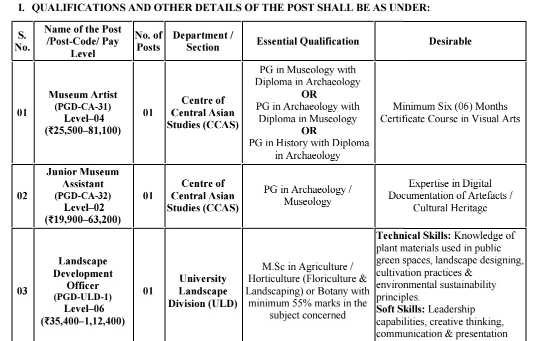
Sher-e-Kashmir University of Agricultural Sciences and Technology of Kashmir (SKUAST-K) has announced a new opportunity for research aspirants in the field of Genetics and Plant Breeding. The Division of Genetics and Plant Breeding at SKUAST-K is inviting applications for the post of Project Associate-I/JRF under a prestigious DBT-funded wheat network project titled “Germplasm Characterization and Trait Discovery in Wheat using Genomics Approaches and its Integration for Improving Climate Resilience, Productivity and Nutritional Quality.”

This recruitment offers a golden chance for qualified candidates to work on a cutting-edge genomics research project aimed at improving the resilience and productivity of one of the world’s most important cereal crops — wheat. The position is purely temporary and will be co-terminus with the completion of the project.


About SKUAST-Kashmir

Sher-e-Kashmir University of Agricultural Sciences and Technology of Kashmir (SKUAST-K) is one of India’s premier agricultural universities located in the picturesque region of Jammu and Kashmir. The university is known for its excellence in agricultural education, research, and innovation. Through its various faculties and divisions, SKUAST-K plays a pivotal role in advancing sustainable agricultural practices and contributing to the socio-economic development of the region.

The Division of Genetics and Plant Breeding, under the Faculty of Agriculture (FoA), Wadura, has been actively involved in crop improvement programs, plant genomics research, and molecular breeding initiatives. This division regularly collaborates with national and international research organizations to address challenges in food security, climate change adaptation, and crop productivity.


About the Project

The advertised position is part of a DBT (Department of Biotechnology), Government of India funded network project focusing on wheat germplasm characterization and trait discovery using genomics. The objective of this project is to identify and understand the genetic traits responsible for climate resilience, productivity, and nutritional enhancement in wheat.

With climate change posing serious challenges to food production worldwide, the project aims to:

  • Use genomic tools to identify genes responsible for heat and drought tolerance.
  • Improve wheat productivity and quality through molecular breeding.
  • Enhance the nutritional content of wheat varieties.
  • Integrate research findings into climate-smart agricultural practices.

This project provides an excellent opportunity for young researchers to gain hands-on experience in advanced genomic research, field phenotyping, and molecular techniques used in modern plant breeding.


Post Details: Project Associate-I/JRF

Position Title:

Project Associate-I / Junior Research Fellow (JRF)

Number of Posts:

01 (One)

Funding Agency:

Department of Biotechnology (DBT), Government of India

Project Title:

“Germplasm Characterization and Trait Discovery in Wheat using Genomics Approaches and its Integration for Improving Climate Resilience, Productivity and Nutritional Quality”

Division/Department:

Division of Genetics and Plant Breeding,
Faculty of Agriculture (FoA), Wadura, SKUAST-Kashmir

Principal Investigator (PI):

Dr. Reyazul Rouf Mir,
Professor (GPB) & Principal Investigator, Division of Genetics and Plant Breeding,
FoA, Wadura, Sopore.


Eligibility Criteria

Essential Qualification:

  • M.Sc. in Agriculture (Genetics and Plant Breeding) or
  • M.Sc. in Plant Sciences

Desirable Qualification:

  • Hands-on experience in trait phenotyping in the field.
  • Experience working under controlled experimental conditions.
  • Exposure to field trials and crop research, especially in wheat or related crops.

Emoluments:

  • 37,000 per month + HRA (as per DBT norms)

Nature of the Position

The appointment for this position is purely temporary and co-terminus with the project’s completion. The selected candidate will not have any claim for regular absorption in SKUAST-Kashmir or any other permanent position after the project ends.

This ensures that the opportunity is designed strictly for research contribution and skill development in a project-specific context.


Application Process

How to Apply:

Interested and eligible candidates are required to apply on plain paper with all supporting documents. Applications must include the following:

  1. Curriculum Vitae (CV)
  2. Marks Sheets and Degree Certificates
  3. Experience Certificates (if any)
  4. Awards and Publications
  5. NET Certificate (if applicable)

Submission Email:

Candidates should submit their applications via email to the undersigned at:
📧 rrmir@skuastkashmir.ac.in

Last Date to Apply:

🗓 November 14, 2025

Interview Date:

🗓 November 18, 2025

The interview of eligible candidates will be conducted in the office chamber of the Dean, Faculty of Agriculture, Wadura, SKUAST-Kashmir.

Important Note:

  • No TA/DA will be paid for attending the interview.
  • The final selection will be based on performance during the interview and academic/research credentials.
  • Applicants are advised to check the official SKUAST-K website regularly for updates and additional details.

Why Apply for SKUAST Kashmir Project Associate Recruitment 2025?

This project provides a unique opportunity for young scientists and research scholars to work on a nationally important research initiative. Candidates will gain practical exposure in:

  • Wheat genomics and molecular breeding
  • Field trait characterization and phenotyping
  • Genetic data analysis and bioinformatics
  • Collaborative research with national research institutions

Moreover, the selected researcher will work under the guidance of Dr. Reyazul Rouf Mir, a distinguished scientist known for his contributions to wheat genetics and plant breeding. This mentorship provides a strong academic and professional foundation for future PhD and postdoctoral pursuits.


Important Dates to Remember

Event Date
Advertisement Release November 1, 2025
Last Date to Apply November 14, 2025
Interview Date November 18, 2025
Venue Office of Dean, Faculty of Agriculture, Wadura, SKUAST-Kashmir

Key Highlights at a Glance

  • Recruiter: SKUAST Kashmir
  • Post: Project Associate-I / JRF
  • Field: Genetics and Plant Breeding
  • Project Type: DBT-funded Wheat Genomics Research
  • Salary: ₹37,000 + HRA per month
  • Location: Wadura, Sopore (Jammu & Kashmir)
  • Application Deadline: November 14, 2025
  • Interview Date: November 18, 2025

How This Project Impacts Indian Agriculture

India is one of the world’s largest producers and consumers of wheat. However, with rising temperatures, erratic rainfall, and declining soil fertility, ensuring wheat’s climate resilience and productivity has become a national priority. Through genomic research and molecular breeding, this project aims to:

  • Strengthen India’s food security.
  • Develop climate-smart wheat varieties.
  • Empower farmers with high-yield, stress-tolerant crops.
  • Contribute to sustainable agricultural development in Jammu and Kashmir and beyond.

Thus, by joining this initiative, the selected researcher will not only contribute to scientific advancement but also to the broader goal of ensuring food security for future generations.


Conclusion

The SKUAST Kashmir Project Associate Recruitment 2025 is a promising opportunity for young researchers passionate about genomics, crop science, and sustainable agriculture. With an excellent working environment, expert mentorship, and the chance to work on a national-level DBT project, this position stands out as a significant career stepping stone in agricultural research.

Interested candidates are encouraged to apply before November 14, 2025, and prepare thoroughly for the interview on November 18, 2025 at the Faculty of Agriculture, Wadura.

For more details and official notifications, visit the SKUAST-K official website

Over 95,000 Students Gear Up for JKBOSE Class 10th Exams Across J&K: Board Ensures Smooth and Fair Process

0

Over 95,000 Students Gear Up for Class 10th Exams Across J&K Tomorrow

JKBOSE Ensures Smooth, Fair, and Well-Supervised Examination Process

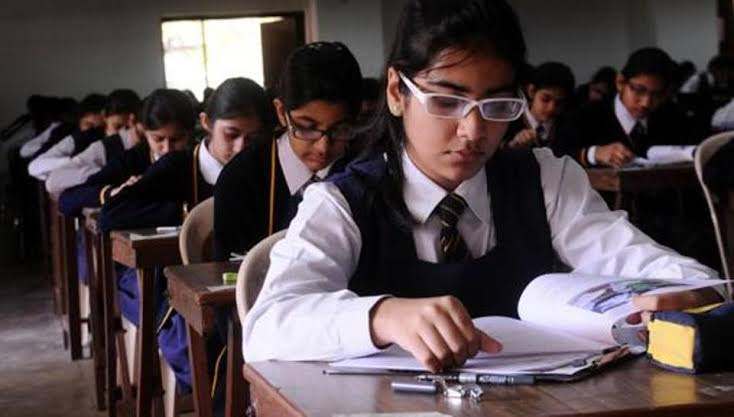
Srinagar: Nearly 95,000 students are set to appear for the Class 10th annual examinations starting today, November 3, with 994 centres established across Kashmir Division and the winter zones of Jammu Division to ensure a smooth and orderly conduct of the exams.

In a statement Board of School Education as per news agency Kashmir News Corner — KNC said, As many as 994 examination centres have been set-up to facilitate Annual examination of nearly 95,000 students of class 10th across Kashmir Division and winter zone areas of Jammu Division beginning on November, 3.

This was stated in a statement issued by J&K BOSE today, mentioning that the timing of the examination will be 11 AM to 2 PM, it reads.

While 68,804 students belong to 10 districts of Kashmir Division, 25,224 belong to winter zone areas of Jammu Division falling in its 8 districts, it reads.

Statement further reads that, A total of 660 from Kargil and 95 from Leh district are also writing the examinations.

The Board has made elaborate arrangements for ensuring fair, transparent and orderly exams. For the purpose, centre superintendents and supervisory staff stand deployed for duties with strict instructions to safeguard the integrity of exams, it reads.

The Board has also deployed vigilance squads for random checking to ensure compliance with examination protocol. The vigilance teams have been advised to display good behaviour with the candidates while carrying out their duties, it reads.

The Board has requested district administrations to impose restrictions under Section-163 BNSS to prevent any kind of outer interference with the sanctity of the exams, it reads.

The candidates writing the exams have been urged to wear warm clothes in view of dip in temperature to ward off cold effects especially in far- off and hilly areas, statement reads. (KNC)

SBI Clerk Prelims Result 2025: Expected Date, Cut-Off, Past Trends, and Next Steps

0

🏦 SBI Clerk Prelims Result 2025: Expected Date, Cut-Off, Past Trends, and Next Steps

The State Bank of India (SBI) is India’s largest public sector bank and one of the most trusted employers in the country. Each year, lakhs of aspirants compete for a limited number of vacancies in the SBI Clerk (Junior Associate) recruitment process. For the 2025 recruitment cycle, SBI conducted the Preliminary Examination in September 2025, and now candidates are eagerly awaiting the SBI Clerk Prelims Result 2025.

According to NDTV Education, the result is expected to be released soon, with sources indicating an announcement in early November 2025. This article provides a detailed look at the expected result date, previous trends, cut-offs, and what candidates should do next.


📅 SBI Clerk Prelims 2025: Overview

Particulars Details
Exam Name SBI Clerk (Junior Associate) 2025
Conducting Authority State Bank of India (SBI)
Exam Type Prelims (Qualifying Stage)
Exam Mode Computer-Based Test (CBT)
Prelims Exam Dates 20, 21, and 27 September 2025
Expected Result Date Early November 2025
Official Website https://sbi.co.in

The SBI Clerk exam serves as the entry point for candidates aspiring to join India’s largest banking network. The selection process involves three stages — Prelims, Mains, and Local Language Test (LPT).


🧾 SBI Clerk Recruitment 2025: Key Highlights

The SBI Clerk 2025 Notification was released on August 5, 2025, announcing a total of 6,589 vacancies across India. Out of these, 5,180 are regular posts and 1,409 are backlog vacancies.

  • Online application dates: August 6 to August 26, 2025
  • Eligibility: Graduate in any discipline from a recognized university
  • Age Limit: 20 to 28 years (as of 1 August 2025, with category-wise relaxation)
  • Selection Process:
    1. Preliminary Exam (Qualifying)
    2. Main Exam (Merit-based)
    3. Language Proficiency Test (LPT)

This recruitment offers one of the most secure career paths in the Indian banking sector, attracting thousands of candidates from across the country.


🧮 Exam Pattern of SBI Clerk Prelims 2025

The SBI Clerk Prelims 2025 exam was held online across multiple shifts and centers nationwide. The exam tested candidates’ aptitude in English, reasoning, and quantitative ability.

Section Number of Questions Marks Time Allotted
English Language 30 30 20 minutes
Numerical Ability 35 35 20 minutes
Reasoning Ability 35 35 20 minutes
Total 100 100 60 minutes

Each correct answer carried 1 mark, and 0.25 marks were deducted for each wrong answer. The result of this stage determines who qualifies for the Main Examination.


🕒 SBI Clerk Prelims Result 2025: Expected Date

While SBI has not officially announced the date for the release of the SBI Clerk Prelims Result 2025, based on past year trends, the results are typically released within 30–40 days after the exam.

  • SBI Clerk Prelims 2024 Result: Declared 32 days after the exam
  • SBI Clerk Prelims 2023 Result: Declared 35 days after the exam
  • Expected for 2025: Between November 3 and November 8, 2025

Candidates are advised to regularly visit the official SBI Careers portal at https://sbi.co.in/careers to stay updated.


🧭 How to Check SBI Clerk Prelims Result 2025

Once the result is released, follow these steps to download it:

  1. Visit the official SBI Careers pagehttps://sbi.co.in/careers
  2. Click on “Current Openings” under the Join SBI tab.
  3. Look for the link titled “Recruitment of Junior Associates (Customer Support & Sales) – 2025-26”.
  4. Click on Preliminary Exam Result.
  5. Enter your Roll Number, Registration Number, and Date of Birth.
  6. The result will open in PDF format showing the list of shortlisted candidates.
  7. Download and print the PDF for future reference.

📊 SBI Clerk Cut-Off 2025: What to Expect

The cut-off marks vary every year depending on multiple factors such as the number of vacancies, difficulty level of the paper, and number of test-takers. Since the 2025 recruitment has fewer vacancies (6,589) compared to 2024’s 14,000+, experts anticipate a slightly higher cut-off this year.

🏁 Expected Cut-Off (General Category)

State/UT Expected Cut-Off 2025 (Out of 100)
Maharashtra 74 – 78
Delhi 80 – 84
Gujarat 72 – 76
Uttar Pradesh 81 – 85
West Bengal 77 – 80
Tamil Nadu 75 – 78
Karnataka 68 – 72
Rajasthan 79 – 82
Punjab 80 – 83

(These figures are indicative and based on analysis of past years’ trends.)


📈 Past Year Trends

Year Vacancies Result Release Gap (Days) Cut-Off Range (General)
2024 14,191 32 days 75–84
2023 8,563 35 days 70–82
2022 5,008 37 days 72–80
2025 6,589 Expected 30–40 days Predicted 74–85

The consistency in result release time suggests that candidates can expect the SBI Clerk Prelims Result 2025 in the first week of November.


🎯 Next Stage: SBI Clerk Mains 2025

After the declaration of the Prelims result, qualified candidates will move to the Main Examination, which is the decisive stage of the selection process.

📘 SBI Clerk Mains Exam Pattern

Section No. of Questions Marks Time
General/Financial Awareness 50 50 35 min
General English 40 40 35 min
Quantitative Aptitude 50 50 45 min
Reasoning & Computer Aptitude 50 60 45 min
Total 190 200 2 hr 40 min

Candidates must score sufficiently high marks to qualify for the Local Language Proficiency Test (LPT) and subsequent appointment.


🧠 Preparation Tips for Mains Exam

  1. Analyze Prelims Performance: Identify weaker areas and focus more on data interpretation, puzzles, and current affairs.
  2. Focus on Accuracy: The Mains exam has tougher questions; avoid unnecessary negative marking.
  3. Read Daily Banking Updates: Current affairs from the past six months are crucial.
  4. Mock Tests: Attempt full-length Mains mock tests regularly.
  5. Revise GA and Computer Aptitude: These sections can be scoring if revised systematically.

💬 Frequently Asked Questions (FAQs)

1. When will SBI Clerk Prelims Result 2025 be announced?
➡️ The result is expected in early November 2025, as per NDTV Education and previous trends.

2. Where can I check my SBI Clerk result?
➡️ Visit the official website sbi.co.in → Careers → Current Openings → “Recruitment of Junior Associates 2025”.

3. Is the Prelims exam qualifying in nature?
➡️ Yes, Prelims is qualifying. Only marks from the Mains Exam count towards the final merit.

4. What is the next step after clearing Prelims?
➡️ Candidates will be called for the SBI Clerk Mains Exam, followed by a Language Proficiency Test.

5. How many candidates will qualify for Mains?
➡️ Generally, about 10 times the number of vacancies qualify for the Mains stage.


🏁 Final Thoughts

The SBI Clerk Prelims Result 2025 marks the first crucial milestone for candidates aiming for a career in India’s most reputed banking institution. With the result expected soon, aspirants must remain vigilant and keep their credentials handy.

For those who make it to the next round, the SBI Clerk Mains 2025 will test both knowledge and consistency — so start your preparation without delay. Even if you miss this time, use the experience to refine your strategy for future banking exams.

The key to success in SBI exams is discipline, consistency, and smart preparation. Stay calm, stay confident, and remember — your result is just one step away from your dream career.

JEE Main 2026 Registration Begins: New Syllabus, 323 Cities, and Key Dates Announced by NTA

0

JEE Main 2026 Registration Begins: New Syllabus, 323 Cities, and Key Dates Announced by NTA

The National Testing Agency (NTA) has officially started the JEE Main 2026 registration process, bringing major updates for India’s most prestigious undergraduate engineering entrance exam.
From an expanded list of 323 exam cities to a revised syllabus and updated exam pattern, the 2026 edition promises a more transparent and accessible experience for aspirants across the country.

Candidates who wish to pursue B.Tech, B.E, B.Arch, or B.Planning courses at premier institutions such as the IITs, NITs, IIITs, and CFTIs must register before the last date. The registration window opened on October 31, 2025, and will remain active until November 27, 2025.


JEE Main 2026: A Quick Overview

Particulars Details
Exam Conducting Body National Testing Agency (NTA)
Exam Name Joint Entrance Examination (JEE Main) 2026
Registration Dates October 31 to November 27, 2025
Exam Session 1 Dates January 21 to January 30, 2026
Exam Cities 323 cities across India
Mode of Examination Computer-Based Test (CBT)
Official Website jeemain.nta.nic.in

Key Highlights of JEE Main 2026

The 2026 session introduces several updates that make the process more streamlined and student-friendly. Let’s break down the major highlights:

1. Registration Open for January Session

The JEE Main 2026 registration window for the January session is now open. Students must fill out their online application form by visiting the official NTA JEE website before November 27, 2025.
It’s crucial to fill in all details accurately, upload required documents, and pay the examination fee before submission.

🔹 Tip: Double-check your personal details, category, subject preference, and exam city before final submission — errors cannot be easily rectified later.


2. Exam to Be Conducted in 323 Cities

This year, the NTA has expanded the list of JEE Main exam cities to 323, ensuring that even students from remote and rural areas can access test centres more conveniently.
This step aims to reduce travel time, expenses, and stress among candidates who previously had to travel long distances to attend their exams.

“The expansion to 323 cities is part of our continuous effort to ensure inclusivity and accessibility for students across India,” an NTA official stated.


3. Revised JEE Main 2026 Syllabus Released

One of the biggest updates for aspirants is the release of the new JEE Main 2026 syllabus. The NTA has made several adjustments, removing outdated topics and aligning the content with the latest NCERT curriculum.
The official syllabus is available for download on the NTA website, and candidates are encouraged to review it thoroughly before starting intensive preparation.

Key syllabus updates include:

  • Streamlined chapters in Physics, with clearer emphasis on Mechanics and Modern Physics.
  • Revised topics in Chemistry, focusing more on Organic and Physical Chemistry.
  • Enhanced Mathematics syllabus, aligning with the latest CBSE patterns.

The updated syllabus ensures that students are tested on relevant, concept-driven topics that reflect modern learning standards.


4. Updated Exam Pattern and Marking Scheme

The JEE Main 2026 exam pattern continues to follow a multi-session structure but includes a few minor refinements to ensure balanced question distribution and fairness.

Paper 1: B.E/B.Tech

  • Subjects: Physics, Chemistry, Mathematics
  • Total Questions: 90 (75 to be attempted — 25 per subject)
  • Type: Objective (MCQs) and Numerical Value Type
  • Total Marks: 300
  • Marking Scheme: +4 for each correct answer, -1 for incorrect MCQs, no negative for numerical answers

Paper 2A: B.Arch

  • Subjects: Mathematics, Aptitude Test, Drawing Test
  • Total Marks: 400

Paper 2B: B.Planning

  • Subjects: Mathematics, Aptitude Test, Planning-Based Questions
  • Total Marks: 400

This refined structure gives aspirants greater flexibility in choosing their question sets and reduces the penalty for numerical-type answers.


5. Important Dates to Remember

Students should carefully note the timeline of JEE Main 2026 events:

Event Date
Online Registration Starts October 31, 2025
Registration Ends November 27, 2025
Correction Window Last week of November 2025
Exam City Announcement First week of January 2026
Admit Card Release Mid-January 2026
Session 1 Exam Dates January 21 – 30, 2026
Result Declaration February 12, 2026

Step-by-Step Guide: How to Apply for JEE Main 2026

Follow these steps carefully to complete your JEE Main 2026 registration process:

  1. Visit the official websitejeemain.nta.nic.in
  2. Click on “JEE Main 2026 Registration” on the homepage.
  3. Complete the registration form using your basic details (name, email, mobile number).
  4. Log in and fill the application form, including personal, academic, and exam details.
  5. Upload documents (photograph, signature, and category certificate if applicable).
  6. Select your preferred exam city — choose wisely from the 323 available options.
  7. Pay the examination fee online through debit/credit card, net banking, or UPI.
  8. Download the confirmation page after successful payment.

⚠️ Important: Candidates should keep a printed copy of the confirmation page and payment receipt for future reference.


Why These Changes Matter for Students

The 2026 reforms aim to make JEE Main more equitable and manageable. Here’s why the updates are significant:

  • Accessibility: With 323 cities, travel stress is reduced, enabling more participation.
  • Transparency: The new syllabus and exam pattern are released well in advance.
  • Convenience: Digital registration and earlier schedules help students plan their preparation efficiently.
  • Fairness: Multiple sessions and a normalized scoring method ensure equal opportunity for all candidates.

Preparation Strategy for JEE Main 2026

With the official syllabus out, now is the best time to streamline your JEE preparation. Here are some practical tips:

  1. Understand the syllabus thoroughly: Eliminate outdated topics and focus on NTA’s updated content.
  2. Set a daily schedule: Balance theory learning, practice, and revision.
  3. Attempt mock tests weekly: Simulate real exam conditions to improve time management.
  4. Revise formulas and key concepts regularly: Especially in Mathematics and Physics.
  5. Focus on accuracy, not just speed: Since negative marking applies, precision is crucial.
  6. Use official sample papers: Practice from authentic sources to get familiar with the pattern.
  7. Stay updated: Follow NTA’s notifications closely to avoid missing deadlines or updates.

Expert Tips for Success in JEE Main 2026

  • Start with NCERT: Build your fundamentals before moving to advanced books.
  • Prioritize weak areas: Use diagnostic tests to identify and work on them.
  • Maintain consistency: Short, regular study sessions yield better results than long, irregular ones.
  • Stay calm during exams: Mental composure is as important as academic preparation.
  • Use revision notebooks: Summarize important formulas, theorems, and chemical reactions for quick review.

Final Thoughts

The JEE Main 2026 registration marks the beginning of another competitive cycle for lakhs of engineering aspirants across India. With an expanded network of exam cities, a transparent syllabus, and improved accessibility, NTA continues its mission to make the exam fair and student-friendly.

As the registration deadline approaches, candidates are advised to:

  • Complete the online application on time,
  • Review the new syllabus and exam pattern carefully,
  • And start consistent, focused preparation for the January 2026 session.

Success in JEE Main doesn’t just depend on hard work — it depends on smart planning, regular practice, and clear understanding. The updates this year give students a better platform to showcase their abilities — now it’s time to make it count.

Fresh Weather Update Jammu Kashmir — Western Disturbance to Affect Jammu and Kashmir from Tuesday Morning

0

Western Disturbance to Affect Jammu and Kashmir from Tuesday Morning

A new Western Disturbance is set to influence weather conditions across Jammu and Kashmir starting Tuesday morning, with its initial impact expected over the higher reaches of North Kashmir between 8 a.m. and 10 a.m. The system, described as quick-moving, will gradually expand its influence to the plains and other regions through the day.

According to Kashmir Weather, an independent meteorological platform, light to moderate snowfall is expected in higher altitudes, while plains may receive light rain showers by the afternoon and evening hours.


Detailed Timeline of the Weather System

  • Tuesday Morning (8 a.m.–10 a.m.):
    The Western Disturbance will first affect the mountainous regions of North Kashmir, including areas like Gurez, Kupwara, and Sonamarg. Light snowfall is anticipated in these regions early in the day.
  • Tuesday Afternoon to Evening:
    As the system advances, other parts of the Kashmir Valley and the plains may begin experiencing light rainfall. Districts such as Srinagar, Budgam, Baramulla, and Anantnag could witness brief spells of rain by late afternoon or evening.
  • Tuesday Night to Early Wednesday:
    The weather is expected to remain cloudy with intermittent precipitation in some areas. Higher elevations will continue to receive light to moderate snowfall, while lower regions may see drizzles or cloudy skies.
  • Wednesday (Post 8 a.m.):
    By Wednesday morning, the system will begin to weaken. Most regions will see significant improvement, although isolated brief showers may occur in a few pockets during the day.

Snowfall Expected Only in Higher Reaches

Despite the arrival of the disturbance, snowfall in the plains is unlikely, primarily due to the short duration and moderate strength of the system. Meteorologists suggest that temperatures will remain above the freezing mark in the plains, preventing snowfall accumulation.

However, higher reaches and mountain passes—such as Gulmarg, Sonamarg, Gurez, and upper reaches of Shopian and Kulgam—are likely to experience light to moderate snowfall. Travelers and residents in these regions are advised to exercise caution, especially along mountain roads where slippery conditions may develop.


Weather to Improve Mid-Week

Following the brief spell of unstable weather, mainly dry conditions are expected to prevail across Jammu and Kashmir for the next 10 days. This will bring welcome relief to residents and tourists, particularly as the region transitions toward the early winter season.

Daytime temperatures are likely to remain mild, while nights will turn colder, especially in areas like Pahalgam and Gulmarg where sub-zero readings are common during early November.


Impact on Travel and Daily Activities

With the system being short-lived, significant travel disruptions are not expected. However, travelers heading to mountainous or border areas are advised to stay updated on local advisories.

  • Tourists visiting Gulmarg or Sonamarg may experience brief snow spells, adding scenic charm but also possible slippery conditions.
  • Flight operations at Srinagar Airport are not likely to be affected significantly, though brief delays due to low visibility cannot be ruled out.

Expert Forecast Insights

According to Kashmir Weather, this Western Disturbance is typical of early November, bringing short-duration rain or snow events to the region. The disturbance is part of a series of weak western systems that usually mark the beginning of winter weather patterns in the Himalayas.

Meteorological experts also note that a dry spell of about 10 days will follow this system, allowing the region’s environment to stabilize before the next active weather phase arrives later in November.


Key Takeaways

  • System Onset: Tuesday morning (Nov 4, 2025)
  • Initial Impact Area: Higher reaches of North Kashmir
  • Plains Impact: By Tuesday afternoon to evening
  • Snowfall: Light to moderate in upper reaches only
  • Weather Improvement: From Wednesday morning onward
  • Next 10 Days: Mainly dry weather expected across J&K

Final Outlook

This Western Disturbance will bring a brief but noticeable change to the weather across Jammu and Kashmir, marking one of the first widespread precipitation events of November. While snow lovers in the higher reaches will enjoy fresh flakes, residents in the plains can expect light showers and cooler evenings.

The weather is expected to settle quickly, leading to a prolonged dry and calm phase—ideal for both tourism and outdoor activities across the Valley.

Google PhD Software Engineering Internship 2026: Applications Open for Indian Students – Eligibility, Deadline, and How to Apply

0

Google PhD Software Engineering Internship 2026: Applications Open for Indian Students – Eligibility, Deadline, and How to Apply

Google, one of the world’s most admired tech companies, has officially opened applications for its PhD Software Engineering Internship 2026 in India. This highly competitive internship gives doctoral students the opportunity to apply their research and technical knowledge to real-world engineering challenges inside Google’s global infrastructure.

The Google PhD Software Engineering Internship 2026 offers Indian PhD students a chance to work with world-class engineers and researchers, solving complex problems in computing, artificial intelligence (AI), and large-scale systems design. If you are pursuing a PhD and looking to gain hands-on experience in a cutting-edge environment, this could be your dream opportunity.


About Google PhD Software Engineering Internship 2026

The internship program is a 12-14 week paid internship designed for students pursuing doctoral degrees in computer science or related fields. Selected candidates will work closely with experienced Googlers on projects that make a direct impact on products and services used by billions around the world.

According to the official listing, the internship is available at Google’s India offices in Bengaluru, Hyderabad, and Pune, offering exposure to cutting-edge research and large-scale software development.


Key Highlights of Google PhD Internship 2026

Feature Details
Internship Type Software Engineering Internship (PhD Level)
Duration 12–14 weeks (Summer 2026)
Eligibility PhD students in Computer Science or related technical fields
Application Mode Online
Location India – Bengaluru, Hyderabad, Pune
Focus Areas Software Development, AI, Machine Learning, Distributed Systems, Data Science
Application Deadline Rolling basis (apply early)

Eligibility Criteria

To be eligible for the Google PhD Software Engineering Internship 2026, candidates must meet the following criteria:

Minimum Qualifications

  • Must be currently enrolled in a PhD program in Computer Science, Software Engineering, or related technical field.
  • Strong programming experience in one or more of the following languages: C++, Java, Python, Go, JavaScript, or C#.
  • Solid understanding of data structures, algorithms, and computer systems design.
  • Experience with Unix/Linux environments and general software development tools.

Preferred Qualifications

  • Research experience in areas such as:
    • Machine Learning
    • Artificial Intelligence
    • Data Mining
    • Distributed Systems
    • Networking
    • Database Systems
    • Software Architecture
  • Excellent communication skills and ability to collaborate within a team.
  • Experience in publishing research papers or contributing to open-source projects is an added advantage.

Role and Responsibilities

Selected interns will work on projects crucial to Google’s operations and future products. Responsibilities include:

  • Designing, testing, and deploying new software solutions.
  • Collaborating with other software engineers, research scientists, and cross-functional teams.
  • Applying PhD-level research and algorithms to real-world systems.
  • Analyzing performance, scalability, and reliability of large distributed systems.
  • Participating in Google’s executive speaker series and community development programs.

Interns will not only code and develop systems but also learn to bridge the gap between academic research and industry-scale engineering.


Benefits of Joining Google as a PhD Intern

  1. Hands-On Industry Experience
    Work on real engineering challenges with world-class professionals and researchers.
  2. Networking and Mentorship
    Interact with some of the brightest minds in computer science and technology, gaining mentorship from experienced Googlers.
  3. Competitive Stipend
    While Google hasn’t disclosed the India-specific stipend, previous Google internships have offered industry-leading compensation packages along with perks.
  4. Career Boost
    A Google internship significantly enhances your resume. Many interns later receive full-time job offers or move into senior research roles.
  5. Learning and Development
    The program includes learning sessions, technical talks, and leadership development workshops designed specifically for PhD candidates.

How to Apply for Google PhD Software Engineering Internship 2026

The application process is completely online through the Google Careers Portal.

Steps to Apply:

  1. Visit the official Google Careers page:
    👉 https://careers.google.com
  2. Search for “Software Engineering PhD Intern, Summer 2026 – India”.
  3. Click on the listing and review the details carefully.
  4. Click on “Apply” and sign in using your Google account.
  5. Fill in the online form, including:
    • Updated resume/CV
    • Research statement or cover letter (optional but recommended)
    • University transcripts (if required)
  6. Review your information carefully before submitting.
  7. Submit your application and wait for confirmation.

💡 Tip: Apply early, as Google reviews applications on a rolling basis and slots fill up quickly.


Selection Process

The Google PhD Software Engineering Internship 2026 is highly competitive. The selection process usually involves multiple stages:

  1. Application Review
    Recruiters evaluate your resume, educational background, and project/research experience.
  2. Online Coding Assessment
    Shortlisted candidates are invited to complete a coding or algorithmic challenge.
  3. Technical Interviews
    Typically two to three rounds covering data structures, algorithms, and system design.
  4. Project Matching
    Successful candidates are matched with projects and mentors based on their skills and interests.
  5. Offer Letter & Onboarding
    Once selected, Google provides all onboarding and project allocation details.

Tips to Increase Your Chances

  • Showcase Research Impact: Highlight any research work that demonstrates innovation or real-world applicability.
  • Master Coding: Brush up on algorithmic problem-solving using platforms like LeetCode, Codeforces, or HackerRank.
  • Include Publications or Open Source Work: Mention any published research papers, GitHub projects, or collaborations.
  • Customize Your Resume: Tailor your resume for software engineering roles with measurable outcomes (e.g., “improved performance by 40%”).
  • Prepare for System Design Questions: Be ready to explain how you would build scalable and reliable systems.
  • Apply Early: The earlier you apply, the higher your chances of being considered before positions fill up.

Why This Internship Matters for Indian PhD Students

Google’s decision to expand its PhD internship program in India is a big step toward bridging the gap between academic research and industrial innovation.
It reflects the growing importance of India’s research ecosystem and its contribution to the global tech landscape.

The Google PhD Software Engineering Internship 2026 is not just an internship — it’s a stepping stone to a future in top-tier technology and research. Many past interns have gone on to lead projects at Google Research, DeepMind, and other top global labs.


Conclusion

The Google PhD Software Engineering Internship 2026 represents one of the most prestigious opportunities for doctoral students in India. It’s more than just a summer job — it’s a career-defining experience where you can apply your academic knowledge to build impactful, real-world technology.

If you’re a PhD student passionate about software engineering, algorithms, AI, or distributed systems, this is your chance to work with the best minds in the world. Don’t wait — visit the official Google Careers page and apply now

JKBOSE Class 12th Math Guess Paper 2025 – Download PDF, Syllabus, Exam Pattern & Chapter-Wise Weightage

🧮 JKBOSE Class 12th Maths Guess Paper 2025 PDF Download: Complete Guide with 3 Papers & 4 Sections

🏫 Overview: JKBOSE Class 12th Maths Guess Paper 2025

The Jammu and Kashmir Board of School Education (JKBOSE) is one of the most prominent education boards in North India, known for its strict evaluation pattern and concept-based questions. For students preparing for the JKBOSE Class 12th exams 2025-26, Mathematics remains one of the most scoring yet challenging subjects.

To help students prepare effectively, this JKBOSE Class 12th Maths Guess Paper 2025 PDF has been released — containing three comprehensive model papers and four sections in each paper, fully aligned with the latest JKBOSE syllabus 2025-26.

These papers are designed by experienced educators and subject experts to mirror the actual board exam format, including all types of questions — MCQs, short answer, long answer, and application-based problems.


📘 Highlights of JKBOSE Class 12th Maths Guess Paper 2025

Feature Details
Board Jammu & Kashmir Board of School Education (JKBOSE)
Class 12th
Subject Mathematics
Session 2025–26
File Format PDF
Total Papers 3 Guess Papers
Sections in Each Paper 4 (A, B, C, D)
Exam Type Annual/Regular
Availability Free Download

Each paper includes balanced sets of core topics, ensuring full coverage of the Class 12 JKBOSE Maths syllabus such as Calculus, Algebra, Vectors, Probability, and Coordinate Geometry.


🧾 Download JKBOSE Class 12th Maths Guess Paper 2025 PDF

Students can easily download the latest JKBOSE Class 12th Maths Guess Paper PDF for free through the following link:

📥 Click Here to Download JKBOSE Class 12th Maths Guess Paper 2025 PDF
(Direct download link will be updated once officially released.)

Alternatively, the same paper can also be accessed through educational resources and platforms that provide JKBOSE model papers and sample tests.


📚 Structure of the Maths Guess Paper 2025

Each paper in the PDF is carefully structured into four sections (A, B, C, D), designed to test different levels of understanding and analytical ability.

🔹 Section A: Multiple Choice Questions (1 mark each)

This section focuses on conceptual clarity. Questions are short, straightforward, and test your understanding of definitions, formulas, and key properties.
Example Topics:

  • Matrices and Determinants
  • Limits and Derivatives
  • Probability Basics
  • Relations and Functions

🔹 Section B: Short Answer Type Questions (2 marks each)

These require stepwise problem-solving and accurate application of formulas.
Expected Topics:

  • Differentiation
  • Inverse Trigonometric Functions
  • Linear Programming Problems

🔹 Section C: Long Answer Type Questions (4 marks each)

Conceptual and numerical problems where reasoning and logic play a major role.
Sample Topics:

  • Application of Integrals
  • Vector Algebra
  • Three-Dimensional Geometry

🔹 Section D: Very Long Answer/Case Study (6 marks each)

This section includes analytical or case-based problems that integrate real-life applications of mathematics.
Example Topics:

  • Probability Distribution
  • Differential Equations
  • Definite Integrals

🧠 Why Solve JKBOSE Class 12th Maths Guess Papers 2025

Solving the JKBOSE Class 12th Maths Guess Papers before your board exam gives you multiple advantages:

  1. Familiarity with Exam Pattern:
    You’ll understand the structure of the paper, marks distribution, and types of questions asked.
  2. Enhanced Time Management:
    Practicing three full-length papers helps you manage time effectively during the actual exam.
  3. Revision of Important Topics:
    The guess paper highlights recurring and frequently asked questions from previous years.
  4. Boosts Confidence:
    Solving model papers reduces exam fear and builds confidence for the final test.
  5. Error Analysis:
    Reviewing your mistakes from guess papers ensures better accuracy in the main exam.

🧩 Important Chapters for JKBOSE 12th Maths Exam 2025

Based on the latest syllabus and question trends, here are some high-weightage chapters you must revise:

Chapter Marks Weightage Difficulty Level
Relations & Functions 8 Easy
Inverse Trigonometric Functions 4 Easy
Matrices 6 Moderate
Determinants 6 Moderate
Continuity & Differentiability 10 Moderate
Application of Derivatives 6 Moderate
Integrals 12 High
Application of Integrals 6 High
Differential Equations 6 Moderate
Vector Algebra 8 Moderate
Three-Dimensional Geometry 10 Moderate
Probability 8 Moderate

📌 Tip: Focus more on Integrals, Derivatives, and Geometry — these carry the highest marks.


📅 JKBOSE Class 12th Exam 2025-26: Expected Dates

While official dates may vary, JKBOSE Class 12th exams are generally conducted between March and April 2026 for the Summer Zone and November–December 2025 for the Winter Zone.

Students should regularly check jkbose.nic.in for updated exam notifications, admit card release, and result announcements.


📈 Preparation Tips for JKBOSE 12th Maths 2025

Here are some expert-recommended strategies to score 90+ marks in the Mathematics paper:

✅ 1. Start Early with NCERT Books

All JKBOSE question papers are majorly derived from NCERT Mathematics textbooks. Revise all examples and exercises thoroughly.

✅ 2. Make Formula Notes

Keep a separate notebook for formulas of each chapter — especially for trigonometric identities, integration formulas, and derivatives.

✅ 3. Practice Previous Year Papers

Solve at least the last 5 years’ JKBOSE Maths papers to understand recurring questions and concepts.

✅ 4. Focus on Stepwise Solutions

Marks are awarded for steps — not just final answers. Always show working steps, even for simple calculations.

✅ 5. Attempt Guess Papers Weekly

Simulate exam conditions by solving one guess paper every week. This helps with speed, accuracy, and confidence.

✅ 6. Revise Graphs and Theorems

Don’t ignore theorems from Calculus and Coordinate Geometry — they can fetch easy marks if revised properly.

✅ 7. Clear Doubts Early

Don’t postpone queries. Discuss with teachers or use online study platforms for quick conceptual clarity.


📘 Sample Topics from Guess Paper 2025 (Extract Preview)

Here’s a quick look at some sample questions from the uploaded JKBOSE Maths Guess Paper PDF 2025:

  1. Evaluate:

   \int (x^2 + 2x + 1) \, dx
  1. Solve the differential equation
  2. Find the probability of getting an even number on a fair die.
  3. Find the vector equation of a line passing through (1, 2, 3) and parallel to vector .

(Note: The complete question set is available in the downloadable PDF.)


🖥️ How to Download JKBOSE 12th Maths Guess Paper 2025 PDF

Follow these steps to download the PDF directly:

  1. Visit the official JKBOSE website: https://jkbose.nic.in
  2. Navigate to the “Model Papers” or “Academic Resources” section.
  3. Click on “Class 12th Mathematics Guess Paper 2025”.
  4. Hit Download PDF and save it for offline practice.

Alternatively, visit our education portal for a direct download link and updated study materials.


🔍 Additional Resources


🧾 Final Thoughts

The JKBOSE Class 12th Maths Guess Paper 2025 PDF is one of the most reliable resources for students aiming to score high marks. With three complete model papers, four sections each, and full coverage of the JKBOSE Maths syllabus, this paper helps students:

  • Strengthen conceptual understanding
  • Practice real exam-like questions
  • Identify weak areas before final exams
  • Improve time management skills

Start practicing today — and remember: consistency is the key to success in Mathematics!